

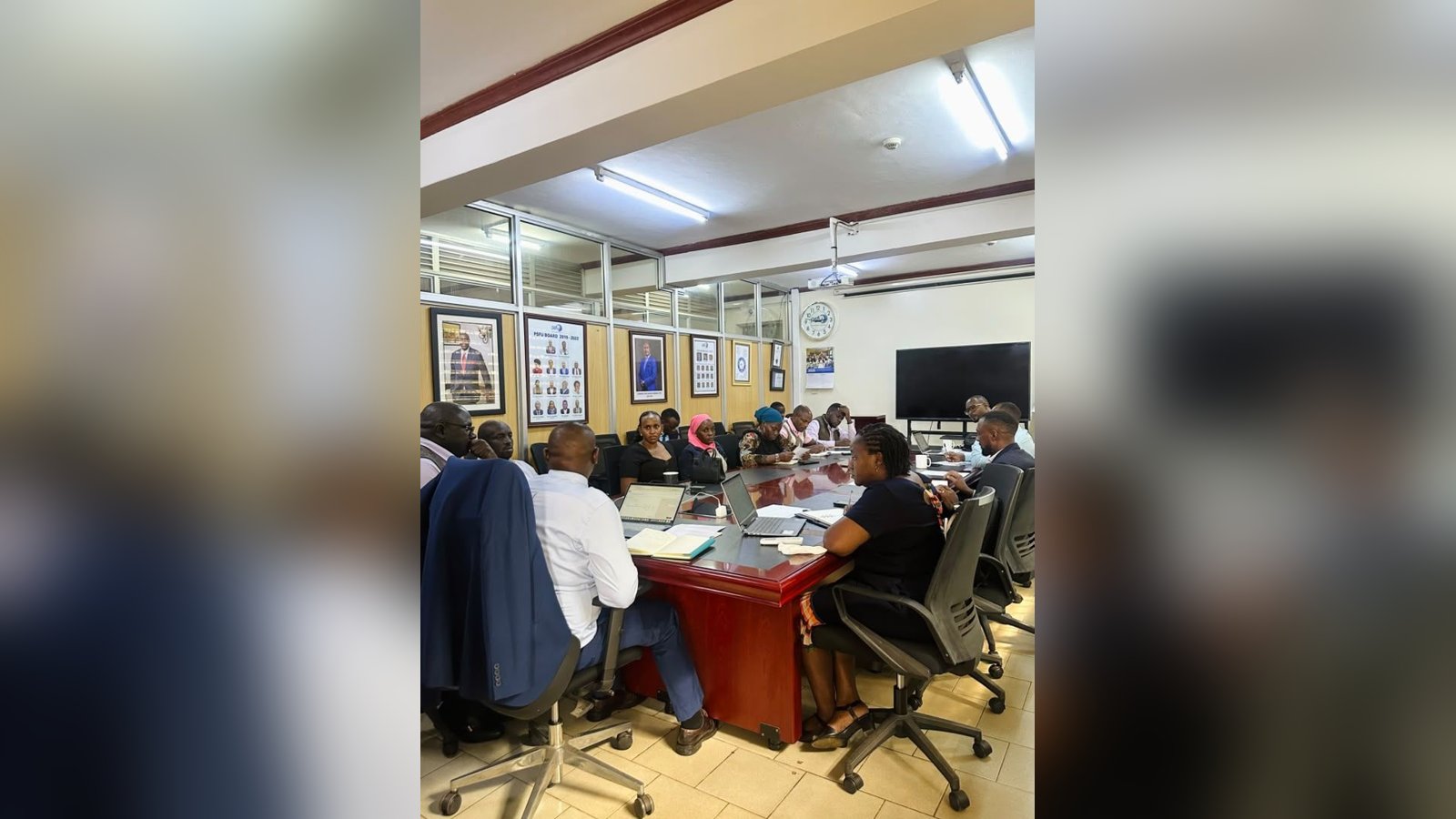
CINAT Group participated in a stakeholder consultative meeting convened by the Uganda Cargo Consolidators Association (UCCA) on 26 October 2026 at the Private Sector Foundation Uganda (PSFU), which called for stronger engagement among cargo consolidators, traders and the Uganda Revenue Authority (URA) to address persistent challenges in cargo clearance, taxation, verification and the release of goods. The discussions emphasised the importance of structured dialogue, greater accountability and technology-driven solutions to resolve disputes, minimise losses arising from prolonged delays and address inconsistencies in cargo handling procedures. Particular attention was given to BeezyLCL, a digital cargo consolidation platform developed by CINAT Group, and its role in supporting the transformation of cargo consolidation and logistics operations through improved cargo visibility, enhanced coordination among stakeholders and greater operational efficiency across the logistics value chain.
The meeting brought together representatives of various trade associations and business stakeholder groups, including the Federation of Uganda Traders Associations (FUTA), Uganda National Traders Alliance (UNATA), Kikubo Business Stakeholders Forum, United Arcaders Traders Entrepreneurs Association (UATEA), Kampala Arcaders Traders Association and Kampala City Traders Association (KACITA).
Discussions highlighted key challenges affecting cargo consolidators and traders, including taxation, documentation, accountability, cargo verification and delays in the release of goods. Participants also addressed tax compliance, the handling and recovery of confiscated goods, and the role of insurance in mitigating losses arising from damaged or missing cargo. They emphasised the need to sensitise traders on selecting reputable cargo consolidators, understanding their tax obligations, maintaining proper documentation and clarifying cargo handling arrangements before entering into agreements. The meeting further underscored the importance of greater transparency, improved operational efficiency and constructive engagement between traders, cargo consolidators and the Uganda Revenue Authority (URA) to strengthen compliance, protect businesses from avoidable losses and minimise unnecessary disruptions to cargo clearance.
Participants raised concerns about prolonged delays in accessing goods, citing a case involving approximately 25 traders and four containers reportedly confiscated by the Uganda Revenue Authority (URA). According to accounts shared during the meeting, the goods had allegedly been transferred between containers, making it difficult to reconcile the consignments with URA’s records and leaving traders unable to identify their individual cargo. The affected traders also reportedly faced challenges reclaiming their goods because they were required to provide court orders, despite the consignments not being registered in their individual names. The matter has reportedly remained unresolved for approximately 11 months, raising concerns about financial losses, prolonged storage costs and the risk of goods deteriorating. Such cases highlight the importance of the BeezyLCL digital solution in strengthening cargo tracking, maintaining accurate shipment records and improving traceability across the cargo consolidation process. By enhancing visibility and coordination among traders, consolidators and clearing agents, such platforms can help reduce documentation discrepancies, support accountability and facilitate more efficient cargo verification and recovery processes.

In response, participants called on UCCA to support efforts to resolve the matter and urged URA to facilitate the physical inspection of the containers, allowing the respective traders to identify their goods and establish ownership. Participants emphasised the importance of constructive engagement between affected traders and the Uganda Revenue Authority (URA) to clarify errors, address compliance gaps and agree on a practical way forward. They recommended submitting a formal letter outlining the concerns to URA, with support from the Private Sector Foundation Uganda (PSFU), to facilitate dialogue and expedite the resolution of outstanding issues.
The meeting also highlighted challenges arising from arrangements in which traders rely on cargo consolidators and clearing agents to import, clear and deliver their goods observing that some traders choose consolidators primarily based on affordability, without sufficient information about their reliability, transparency and handling procedures. This exposes traders to risks when documentation is incomplete, applicable taxes are not clearly disclosed or goods are not delivered under agreed terms.
One trader reportedly imported goods from Dubai in March 2025, which were cleared by a cargo consolidator and subsequently transferred to the consolidator’s private storage facility. The trader later encountered difficulties establishing ownership and determining the applicable taxes because the clearance documents were reportedly registered in the consolidator’s name. After making payments to recover the goods, she reportedly discovered that most of the products had only one month remaining before expiry. The case raised concerns about the financial implications for traders and the potential consumer protection risks associated with delays in delivering goods with limited shelf lives.
Participants called for greater transparency in cargo documentation, clear disclosure of applicable taxes, written agreements between traders and consolidators, and stronger accountability throughout the importation and delivery process raising concerns about alleged misconduct and demands for unofficial payments by some officials, noting that such practices, where they occur, undermine trust and complicate compliance. They emphasised the need for transparent procedures and accessible reporting mechanisms to address suspected misconduct and promote accountability across the cargo consolidation sector.
Participants also raised concerns about inconsistencies in cargo documentation and verification procedures, particularly where consolidators or consignees make decisions without adequately informing the owners of the goods. They cited cases in which traders allegedly received incomplete information about the quantities imported, making it difficult to trace their consignments and establish accountability. One example involved a container imported in March 2025, in which a consolidator reportedly removed a substantial portion of the goods, replaced the container seal and closed it before verification. When the Uganda Revenue Authority (URA) subsequently inspected the container, some goods were reportedly expired, while others could not be accounted for.
These concerns highlighted the need for reliable cargo tracking, accurate documentation, proper inventory records and clear accountability throughout the supply chain. Participants also called for timely inspections and verification to minimise unnecessary delays, protect traders’ interests and enable legitimate businesses to operate efficiently.
The meeting also examined challenges associated with cargo clearance procedures across the East African region, particularly changes affecting the use of the PB4 system in Nairobi. Participants noted that some traders had previously relied on the system because of its perceived efficiency, with certain consignments reportedly cleared within approximately 24 hours. However, concerns about possible tax evasion had reportedly resulted in tighter controls, leaving some traders struggling to access alternative clearance arrangements and retrieve goods held at bus parks and other facilities. These delays have raised concerns about the risk of cargo damage and deterioration, particularly during the rainy season. Participants called on the Uganda Revenue Authority (URA) to engage traders and industry associations in reviewing the challenges, clarifying applicable requirements and developing efficient, transparent and compliant procedures that facilitate legitimate cross-border trade.
Participants further highlighted difficulties faced by traders whose goods are registered under the names of consolidators or clearing agents who subsequently become unavailable or face legal proceedings. One case involved a trader whose cargo was handled by a clearing agent identified during the meeting as Timothy Segane, who was reportedly imprisoned following alleged offences. Despite reportedly possessing delivery notes, receipts and other supporting documents, the trader expressed concern about recovering goods held under the agent’s company name. The case underscored the need for clear procedures that enable traders to establish ownership and reclaim their goods through appropriate documentation and verification, even when an intermediary is unable to fulfil their obligations.
They emphasised the need for a collaborative approach to tax administration that strengthens compliance while enabling traders to sustain their businesses. They called for greater sensitisation on tax obligations, including import duty, Value Added Tax (VAT), income tax and other applicable charges, noting that limited awareness of these requirements can expose traders to unexpected costs, disputes and penalties. They also highlighted the financial implications of prolonged clearance delays, which can leave goods stranded at ports, including the Port of Mombasa, increasing storage costs and the risk of deterioration. Participants urged the Uganda Revenue Authority (URA) and traders to maintain constructive dialogue, improve access to clear tax guidance and establish transparent procedures that encourage voluntary compliance while facilitating legitimate trade. They further stressed the importance of shared accountability among traders, consolidators, clearing agents and relevant authorities in building a more efficient, transparent and sustainable cargo consolidation sector.
Digital innovation also emerged as a key area of discussion, with BeezyLCL system highlighted as a platform supporting the management and coordination of Less-than-Container Load (LCL) cargo consolidation. Digital solutions such as BeezyLCL present opportunities to improve cargo visibility, strengthen coordination among stakeholders and enhance the management of shipment information. When supported by accurate documentation, clear accountability and effective collaboration, the system contributes to better cargo tracking, greater transparency and more efficient operations. They emphasised that technology must be complemented by stronger cooperation among traders, consolidators, clearing agents, industry associations and regulatory authorities to build a more coordinated, accountable and sustainable cargo consolidation sector.
Through constructive dialogue, transparent procedures, collective advocacy and digital innovation, stakeholders aim to strengthen accountability and improve efficiency across Uganda’s cargo consolidation sector. These efforts are expected to support tax compliance, protect traders’ interests and foster a more reliable and sustainable trade and logistics environment.