

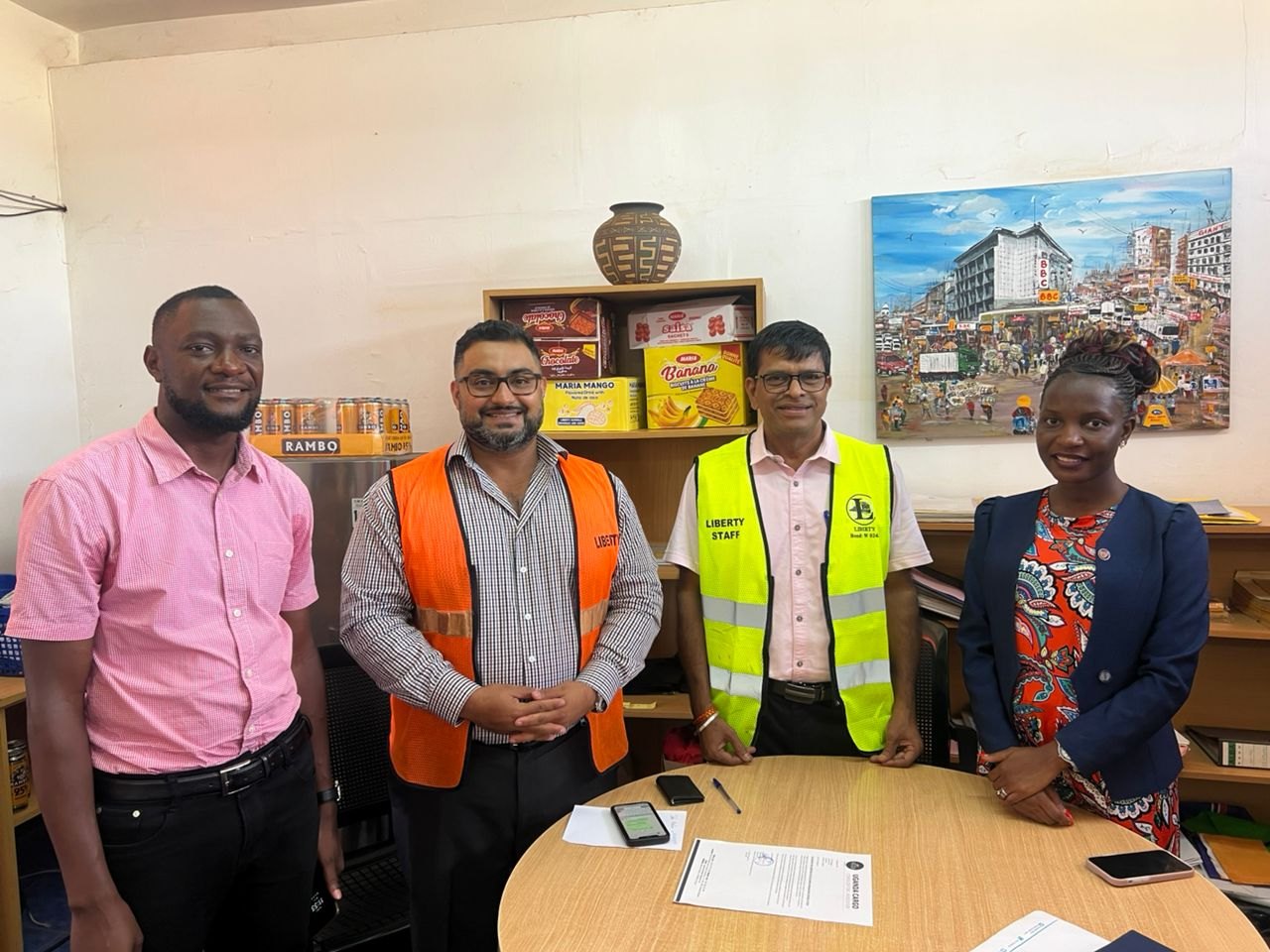
Stakeholders explore how BeezyLCL can make digital trade simpler, faster and more accessible.
For a small trader waiting for goods to be cleared, the journey does not end when the cargo arrives. It can often mean another round of paperwork, emails, document amendments and follow-ups before the goods are finally released.
The administrative burden emerged as one of the key concerns raised by stakeholders during a BeezyLCL consultation held on 1 September 2026 at Liberty ICD. Stakeholders pointed to the sheer volume of documentation involved in cargo clearance and release, including T1s, IM7s, amended documents and other supporting paperwork. BeezyLCL, a digital cargo consolidation platform supported by TradeMark Africa, is being developed to simplify the cargo consolidation process by making documentation and relevant trade information more accessible, streamlined and easier for traders to manage.
While the documents are necessary for different stages of the clearance process, managing them can become complicated when information changes or documents have to be revised. A change in cargo information, for example, may require documents to be amended, printed again and circulated to the relevant parties. For traders and consolidators handling several consignments, keeping track of these changes can become an administrative challenge.
The problem is not necessarily the existence of documentation itself, but how that information is managed. In many cases, communication and document exchange can take place through a combination of physical files, email correspondence and other informal channels. This can leave different stakeholders working with information stored in different places.
For both traders and consolidators, fragmented processes can create uncertainty over the status of cargo, the documentation submitted and whether amended information has reached the right person. The challenge becomes even more significant during audits, where consolidators may be required to provide records relating to traders they have handled. When traders frequently change consolidators, or consolidators work with different traders over time, maintaining a complete and reliable transaction history can be difficult, with important documents and reference information often scattered across emails and different systems. Stakeholders at the consultation therefore called for a more professional and verifiable way of managing cargo-release information. BeezyLCL can help address this gap by keeping transaction and reference records in one centralised digital platform, creating a clearer and more traceable history that authorised stakeholders can access when needed, while reducing reliance on fragmented email exchanges.
BeezyLCL platform is being positioned as part of this shift as it seeks to provide a shared digital environment where traders, cargo consolidators and other authorised users can access and manage relevant cargo information. Rather than relying predominantly on physical documents and separate email conversations, information can be organised within a central system. For traders, this could make it easier to follow their cargo and access information associated with their consignments without having to navigate multiple communication channels.
The idea is straightforward; put relevant information in one place and make it easier for those who need it to access, track and verify. However, the significance of BeezyLCL goes beyond simply replacing paper documents with electronic ones. Through digitalisation, the platform can create a clearer record of information and communication associated with each transaction, strengthening visibility and accountability while reducing the risk of important details being lost in lengthy email exchanges. A more structured digital process can also help stakeholders see what information has been submitted, what has been amended and what action may still be required. For traders, particularly those with limited time and resources to navigate administrative processes, greater visibility could make cargo clearance more predictable, transparent and easier to manage.
Small traders are an important part of Uganda's trading ecosystem, but they can face significant challenges navigating complex trade and logistics processes. For many, delays or uncertainty surrounding documentation can have consequences beyond inconvenience. Time spent following up on cargo can affect business operations, customer commitments and cash flow. Digital platforms such as the BeezyLCL therefore play a role in simplifying some of the processes surrounding cargo consolidation. The platform is intended to connect different actors within the cargo-consolidation ecosystem while improving access to relevant information.
The stakeholder discussions around BeezyLCL point to a broader question facing the trade sector; how can technology be used to make existing processes simpler without creating additional complexity for users?
For cargo clearance, the answer may increasingly lie in better management of information.
Moving from scattered paperwork and email exchanges towards structured digital records can help create a clearer trail of transactions while improving visibility between the different parties involved. For traders, this could mean spending less time searching for documents and following up on information and more time focusing on their businesses. BeezyLCL is therefore a larger promise to help create a cargo-consolidation process in which information is easier to access, easier to verify and easier to act upon.
As Uganda continues to embrace digital solutions across trade and logistics, the transition from paperwork to digital records is becoming an important step towards making formal trade more efficient and accessible particularly for the small traders who depend on it most.